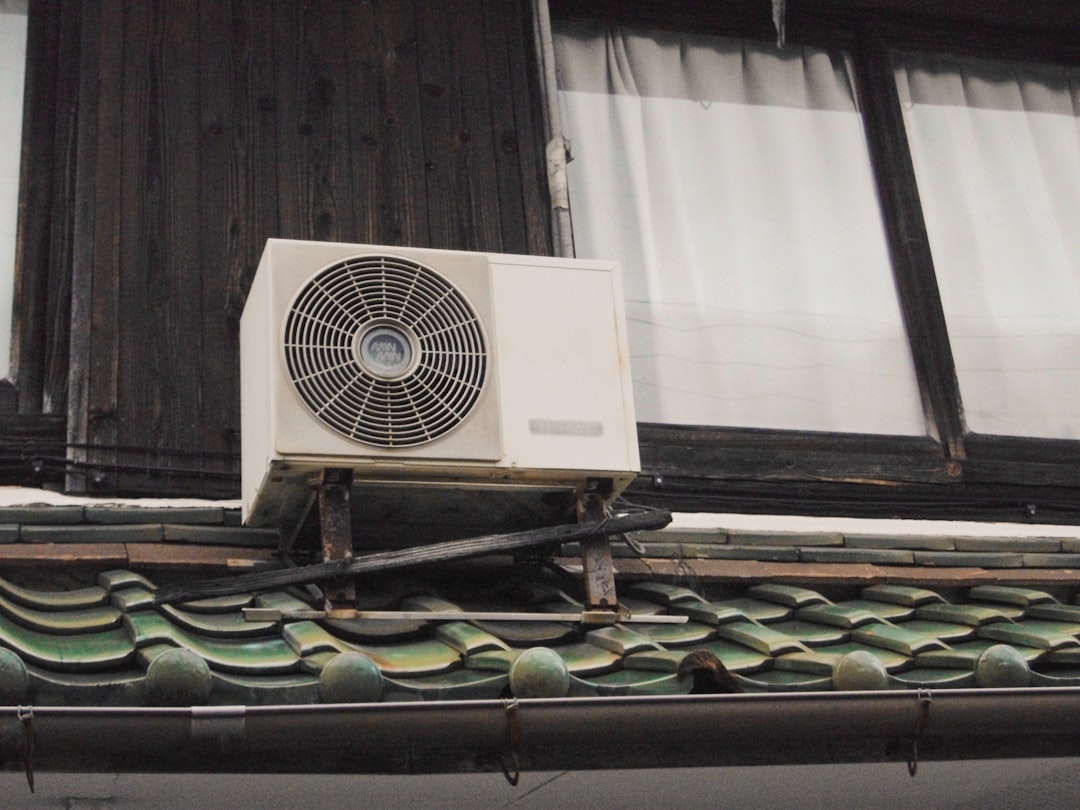
HVAC Replacement: Full Cost Breakdown
The Inevitable Expense
Heating and cooling systems have a finite lifespan, usually 12 to 15 years. When they fail—inevitably on the hottest or coldest day of the year—homeowners are forced into a major panic purchase. In 2026, replacing an entire residential HVAC system (both the outdoor AC compressor and the indoor furnace/air handler) commands a national average of $11,500 to $14,100.
Cost by Component
You don't always have to replace the entire system at once, though most contractors recommend doing so for compatibility and warranty reasons. Here are the standalone costs:
- Central AC Unit Only: $5,000 – $12,000 depending on the SEER2 efficiency rating and tonnage.
- Gas Furnace Only: $4,000 – $8,500 depending on AFUE efficiency (80% vs 95%+) and brand.
- Heat Pump System: $6,500 – $14,000. Heat pumps replace both the AC and the furnace, operating entirely on electricity. They are heavily subsidized by current federal energy tax credits.
- Ductwork Replacement: If your flexible ducts in the attic are old, torn, and leaking air, expect to add $2,000 to $5,000 to strip them out and install fresh, fully insulated ductwork.
The "$5,000 Rule" for Repairs
When a technician hands you a repair quote for an older system, you must decide whether to throw good money after bad. The HVAC industry relies heavily on the "$5,000 Rule" to guide this decision.
The Math: Multiply the age of your equipment (in years) by the estimated cost of the repair. If the resulting number exceeds $5,000, it is financially smarter to replace the whole unit.
Example: Your AC is 12 years old. The technician quotes $600 to replace a failing blower motor. (12 x $600 = $7,200). Because 7,200 is greater than 5,000, you should replace the entire system rather than band-aiding an old unit bound to fail again soon.
Why HVAC Labor is So Expensive
Unlike buying a refrigerator and plugging it into the wall, buying an HVAC system is essentially buying a box of parts that a skilled tradesman must custom-manufacture into a working system inside your home. They must braze custom copper refrigerant lines, wire high-voltage electricity, install proper PVC drainage for condensation, and calibrate gas pressures to ensure the furnace doesn't produce carbon monoxide.
Furthermore, labor costs spike when units are installed in dangerous or inaccessible areas. If your furnace is wedged into a cramped, 120-degree attic with no walkable flooring, the contractor will charge significantly more than if the unit was sitting conveniently in an open basement.
Efficiency Ratings Explained (SEER2)
When shopping for an AC, you will constantly hear the term "SEER2" (Seasonal Energy Efficiency Ratio). Think of it like MPG for your car. The higher the SEER2, the less electricity the unit uses to cool your home.
Baseline models mandate a minimum of 14.3 SEER2. Ultra-high-efficiency variable-speed units can reach 24 SEER2. While a 20 SEER unit will slash your summer power bills, they cost $3,000+ more upfront than a base model. You must do the math to ensure the energy savings over a decade justify the massive upfront premium.
Size Your AC Correctly
An oversized AC unit is a disaster that leads to a humid, uncomfortable home. Use our HVAC Tonnage & Cost Calculator to find exactly what size system your square footage requires.
Ready to start your next project?
Before you hire a contractor, use our free cost calculators to get a data-driven estimate based on 2026 pricing.
Find Your Cost Estimate