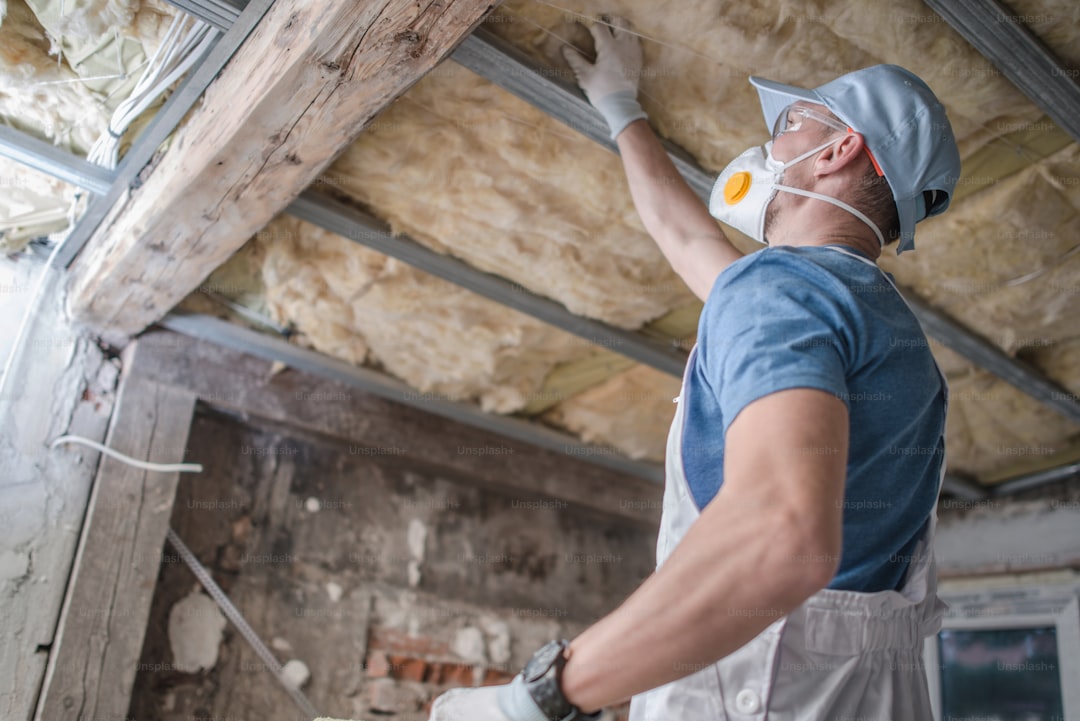
Attic Insulation Types and 2026 Pricing
The Highest ROI Project in Your Home
If your HVAC is running constantly but your house is still freezing in the winter and sweltering in the summer, your attic is likely woefully under-insulated. Upgrading your attic insulation can yield a 100% Return on Investment by drastically reducing your monthly energy bills immediately. So, what does it cost in 2026?
The Three Main Types of Insulation
1. Blown-In Fiberglass ($1.50 - $2.50 / sq ft)
The most common and cost-effective method. A truck backs up to your driveway, runs a massive hose through a window, and "blows" loose, fluffy fiberglass into your attic floor until it reaches the desired depth (usually 14 to 18 inches for an R-38 rating).
Pros: Cheap, fast installation (usually half a day), does not settle much over time.
Cons: Can be itchy if you use the attic for storage; does not completely stop minor air drafts flowing up from the ceiling drywall.
2. Blown-In Cellulose ($1.20 - $2.00 / sq ft)
Cellulose is made from recycled paper products (like ground-up newspapers) treated with natural borate chemicals to make it fire-retardant and insect-resistant.
Pros: Very eco-friendly. Because it is denser than fiberglass, it actually creates a better "air seal" to stop drafts.
Cons: It is incredibly dusty during installation. More importantly, it settles over time. You might blow in 15 inches today, but in 5 years it will settle down to 10 inches, reducing its R-value.
3. Spray Foam Insulation ($3.50 - $6.50 / sq ft)
The ultimate luxury in home energy efficiency. Instead of blowing fluff on the attic floor, technicians spray expanding polyurethane foam directly onto the underside of your roof deck. This completely seals the attic from the outside environment.
Pros: Creates a mathematically perfect air seal. Your attic becomes a "conditioned" space, meaning it stays almost the exact same temperature as your living room. Your HVAC system (if located in the attic) will run 40% more efficiently.
Cons: Extremely expensive. Improper installation can cause massive chemical off-gassing issues or trap moisture against your roof decking, rotting the wood. You MUST hire an experienced contractor.
The Labor Cost of Removing Old Insulation
If your current insulation has been contaminated by a raccoon infestation, roof leaks, or severe mold, you cannot just blow new insulation over the top. The old insulation must be vacuumed out by an industrial machine and safely disposed of. "Extracting" bad insulation typically costs $1.50 to $3.00 per square foot, entirely doubling the cost of the overall project before the new material is even sprayed.
Estimate Your Savings
Use our Attic Insulation Calculator to secure an accurate budget baseline before you call a contractor.
Ready to start your next project?
Before you hire a contractor, use our free cost calculators to get a data-driven estimate based on 2026 pricing.
Find Your Cost Estimate